- +977 1-5368977
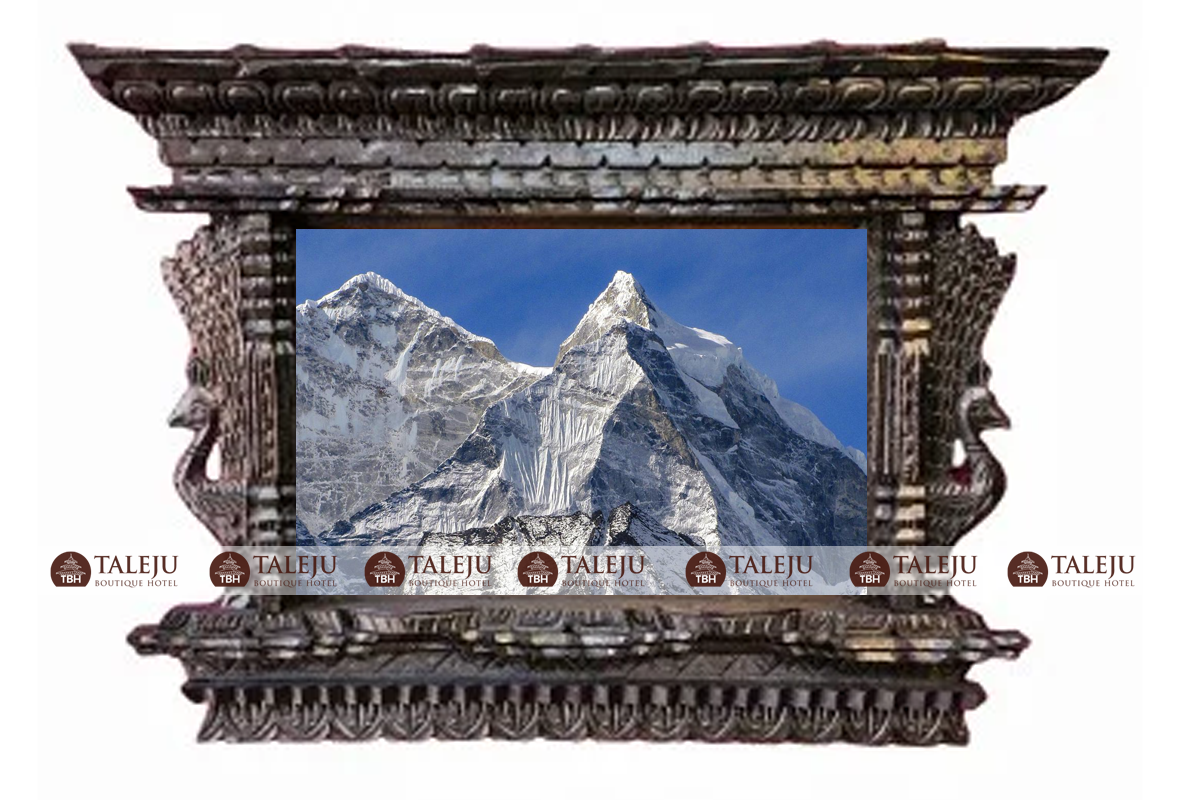
From Thamel to Base Camp Taleju Boutique Hotel – Your Luxury Launchpad for Everest & Annapurna
Nepal is a land of profound contrasts. It is a place where the chaotic, sensory-rich streets of Kathmandu eventually give way to the silent, thin-aired majesty of the Himalayas. For most adventurers, the journey to the roof of the world whether that is Everest Base Camp (EBC) or the Annapurna Sanctuary starts in Thamel. This labyrinthine neighborhood is the beating heart of Nepal’s tourism, a neon-lit jigsaw puzzle of gear shops, bakeries, and incense-filled alleys.
However, the secret to a successful Himalayan expedition isn’t just found in the strength of your boots or the quality of your down jacket; it is found in the quality of your rest. Before you tackle the Khumbu Icefall or the Thorong La Pass, you need a sanctuary. That is where Taleju Boutique Hotel comes in. Positioned as a "Luxury Launchpad," it offers a seamless bridge between the grit of travel and the grandeur of the mountains.
The Thamel Transition: Finding Peace in the Chaos
Stepping into Thamel for the first time can be overwhelming. The smell of turmeric and roasting coffee mingles with the sound of motorcycle horns and the fluttering of prayer flags. It is an essential rite of passage for any trekker. You come here to buy your last-minute maps, rent your sleeping bags, and soak in the pre-trek energy.
But after a long-haul flight or a day spent navigating the bustling marketplaces of Asan, you don’t just want a room; you want an escape. Taleju Boutique Hotel is designed specifically for this transition. Tucked away from the loudest thoroughfares, the hotel utilizes traditional Newari architecture red brickwork and hand-carved wooden windows to create an atmosphere that feels like an ancient courtyard hidden within a modern city.
The importance of this "soft landing" cannot be overstated. Acclimatization starts mentally. When your body is relaxed and your mind is calm, you are better prepared for the physical rigors ahead.
Why a "Luxury Launchpad" Matters for Trekkers
The term "luxury" in the context of trekking isn’t about gold-plated faucets; it’s about tactical comfort. Here is why choosing a high-standard hotel like Taleju is a strategic move for your Everest or Annapurna expedition:
1. The Final "Real" Shower
Once you fly into Lukla or drive to Pokhara, hot water becomes a precious, expensive commodity. At Taleju, the rain showers and deep soaking tubs are more than a luxury they are a ritual. Preparing your skin and muscles with heat and hydration before the cold of the high altitudes is a gift to your future self.
2. Nutritional Foundation
The trekker’s diet on the trail Dal Bhat, noodles, and porridge is fuel, but it can become repetitive. Taleju’s kitchen serves as a bridge. Here, you can fuel up on high-quality proteins and fresh greens that are harder to verify for safety in the smaller teahouses uphill. Starting your trek with a settled, well-nourished stomach is the best defense against "Khumbu Cough" or altitude-related digestive issues.
3. Equipment Staging Ground
If you’ve ever tried to repack a 60-liter duffel bag in a cramped, dark hostel room, you know the frustration. Taleju provides the space. The rooms are spacious enough to spread out your gear, test your headlamps, and separate your "trekking kit" from your "city clothes." The hotel also offers secure luggage storage, allowing you to leave your suitcases behind as you head into the mountains with only the essentials.
The Everest Connection: The Path to the Khumbu
For those heading toward Everest Base Camp, the journey usually begins with a white-knuckle flight to Lukla. The staff at Taleju Boutique Hotel understand the logistics of this journey intimately. They realize that a 5:00 AM departure for the airport is the norm.
Imagine waking up in a plush, temperature-controlled room, having a fresh coffee, and being whisked away to the domestic terminal. The contrast between the comfort of the hotel and the ruggedness of the Phakding trail creates a mental "high-water mark." You go into the mountains feeling cared for, which builds the resilience needed when the oxygen gets thin at Gorak Shep.
The Annapurna Gateway: Preparation for the Massif
While Everest is about height and prestige, Annapurna is about diversity and soul-stirring landscapes. Whether you are doing the full Circuit or the trek to Base Camp (ABC), the physical toll is significant.
Taleju serves as the perfect headquarters for organizing the permits (TIMS and ACAP) and meeting your guides. The hotel’s courtyard serves as a quiet meeting point where you can sit with your trekking lead, look over the topographic maps, and discuss the weather patterns over the Annapurna Massif. It’s a place where the "Tale of the Trail" begins long before you hit the first stone steps of Ulleri.
A Cultural Immersion Before the Climb
One of the standout features of Taleju Boutique Hotel is that it doesn’t feel like a generic international chain. It is a tribute to the Taleju Bhawani, the protective deity of the Malla kings.
The aesthetic is deeply rooted in the Kathmandu Valley’s history. For a trekker, this adds a layer of meaning to the trip. You aren't just visiting a mountain; you are visiting a sacred landscape. By staying in a hotel that honors Newari craftsmanship, you connect with the culture of the people who call these mountains home. This cultural grounding often leads to a more respectful and mindful trekking experience.
Recovery: The "Welcome Back" Sanctuary
Perhaps the most underrated aspect of Taleju Boutique Hotel is the "Return."
After 12 days on the Everest Base Camp trail, your body is different. You’ve lost weight, your skin is weathered by the sun and wind, and you likely haven't felt a soft mattress in weeks. The moment you walk back through the gates of Taleju, the staff greets you not just as a guest, but as a returning hero.
The transition back to "civilization" can be jarring. The noise of Thamel feels louder, the air feels thicker. Having a luxury sanctuary to retreat to allows you to process the magnitude of what you’ve just accomplished. This is the time for a deep tissue massage at the hotel spa to work out the knots in your calves, and a celebratory meal that doesn't involve dehydrated vegetables.
Practical Tips for Your Stay at Taleju
To make the most of your "Luxury Launchpad," keep these tips in mind:
Book the "Buffer": Always book your room for at least two nights before your trek and two nights after. Flights from Lukla, Jomsom, and even Pokhara are notoriously delayed by weather sometimes for 2–3 days straight. When 40 Twin Otters can’t fly, 200 trekkers hit Thamel at once looking for rooms. Having a guaranteed reservation at Taleju saves you from a logistical nightmare, price gouging, or sleeping in the domestic terminal. Plus, you’ll want that first night back just to decompress. Your body needs time to remember what a real mattress feels like after two weeks on teahouse plywood.
The Gear Check: Use the hotel's reliable fiber Wi-Fi to do one last check of your digital gear before you lose signal. Download your offline maps on Maps.me, Gaia GPS, or AllTrails. Update your Kindle with books for rest days. Back up your camera and phone photos to the cloud you don’t want to lose 1,000 shots of Ama Dablam because your memory card corrupts at 5,000m. Test your power bank, charge your headlamp, and download a few podcasts. The Wi-Fi on the trail costs $2–$5 per hour and cuts out every time a cloud moves. Do it here, with a coffee in hand.
Consult the Concierge: The hotel staff live and breathe trekker logistics. Need a reputable shop to buy authentic North Face, Mountain Hardwear, or Rab gear instead of the "North Farce" and "Patagucci" knock-offs flooding Thamel? They’ll send you to Shonas or Kalapatthar Trekking Shop, not the stalls selling $15 down jackets. Looking for a SIM that actually works at Gorak Shep or Manang? They know Ncell vs NTC dead zones. Need Diamox, blister tape, or antibiotics from a pharmacy that doesn’t sell expired meds to tourists? They’ve got a list. Ask them. It’s what they do.
The Weigh-In: Before you leave, use the hotel’s luggage scale to weigh your duffel. Lukla flights have a strict 15kg limit including your carry-on. Domestic airlines will charge you $1–$2 per extra kilo, or worse, bump your bag to the next flight. Repack in your room, not at the chaotic airport counter at 5 AM.
The Post-Trek Laundry Dump: When you check back in, hand your entire duffel of muddy, sweaty, Dal Bhat-stained trekking clothes to housekeeping. For about $10–$15, it all comes back the next day washed, dried, and folded. After 12 days on the trail, putting on clean socks that smell like soap instead of yak is its own kind of luxury.
Store It, Don’t Carry It: Taleju offers free, secure luggage storage. Leave your laptop, city clothes, extra shoes, and souvenirs here. No point hauling jeans and a MacBook to Everest Base Camp. Everything’s tagged, locked, and waiting when you get back. Trekkers have left gear here for 25+ days with zero issues.
The Final Word: More Than Just a Bed
In the grand scheme of a Himalayan adventure, a hotel might seem like a minor detail a brief comma in a sentence dominated by towering peaks and frozen trails. But as any seasoned mountaineer or veteran trekker will tell you, success is found in the margins. It is found in that one extra hour of restorative sleep before a 4:00 AM wake-up call, the nutrient-dense meal that fuels your climb without upsetting your stomach, and the profound peace of mind that comes from knowing your logistics are being handled by experts behind the scenes.
Taleju Boutique Hotel isn't just a place to rest your head in the heart of Thamel; it is the spiritual beginning and the triumphant end of your story in the clouds. It is the quiet sanctuary where you spread out your maps and dream of the summit, and the welcoming harbor where you finally return to kick off your boots and recount the tale.


