- +977 1-5368977
7 Hidden Gems in Jyatha You Can Reach in 5 Minutes
Exploring the labyrinthine heart of Kathmandu often feels like navigating a living museum where the boundaries between the medieval past and the chaotic present blur into a single, vibrant tapestry, and nowhere is this more evident than in the historic enclave of Jyatha. While most travelers treat this neighborhood as a mere transit corridor between the neon lights of Thamel and the ancient market of Asan, those willing to slow their pace will discover a sanctuary of "hidden gems" that encapsulate the true soul of Newari civilization, all reachable within a five-minute stroll of the main junction. This area serves as a vital artery for the city’s spiritual and commercial life, yet it manages to tuck away its most profound treasures behind narrow alleyways and weathered brick facades that the casual observer might easily overlook. To truly experience Jyatha is to embrace the sensory overload of sandalwood incense, the rhythmic clanging of temple bells, and the sudden, breathtaking silence of a hidden courtyard that has remained unchanged for centuries.
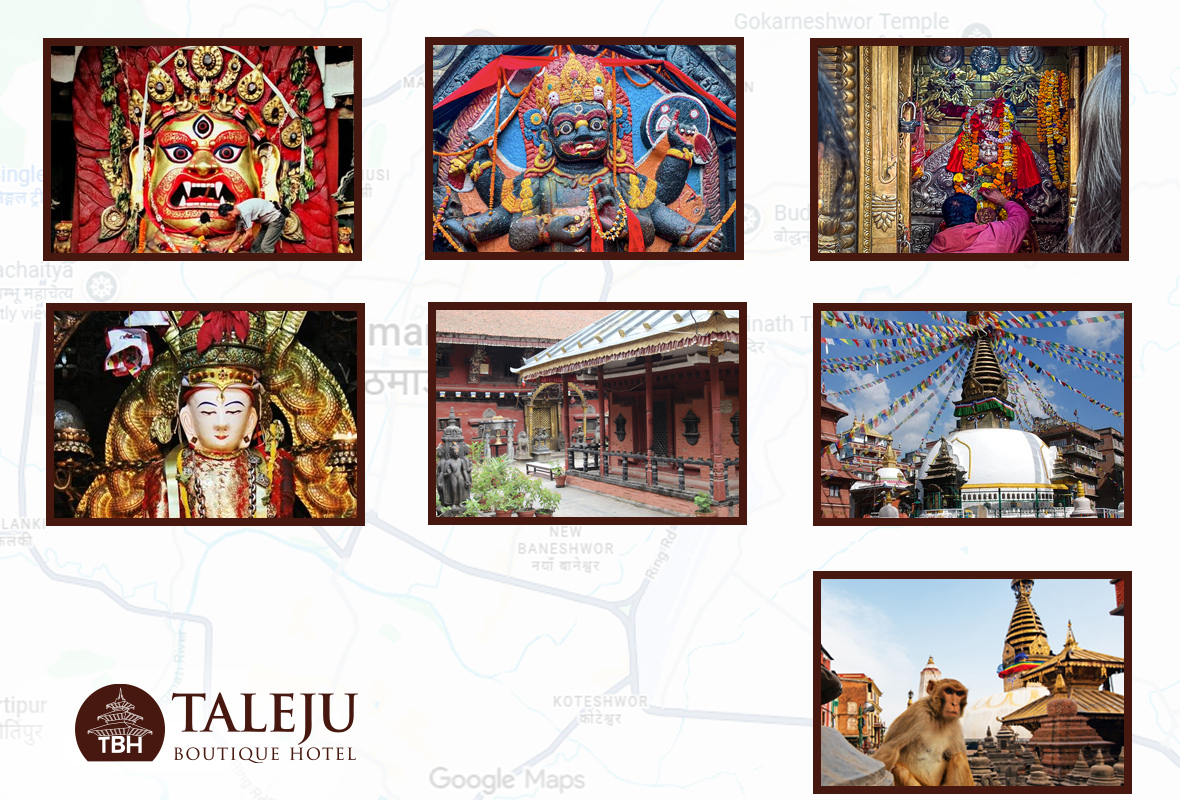
The first and perhaps most significant jewel in this urban crown is Itum Bahal, the largest and arguably most atmospheric Buddhist courtyard in the old city. Stepping through its low-arched stone entrance is akin to crossing a threshold through time; the roar of motorbikes and the calls of street vendors instantly fade, replaced by the rhythmic hum of prayer wheels and the distant chanting of monks. This sprawling space is anchored by the Keshchandra Mahavihara, a monastery steeped in legend and adorned with some of the most intricate wood carvings in the Kathmandu Valley. The architecture here tells stories of ancient folklore, involving demons, enlightened masters, and the timeless struggle between darkness and light. Unlike the more commercialized squares of the city, Itum Bahal remains a living community space where elders gather on wooden benches to soak in the afternoon sun, children play hide-and-seek among 17th-century stupas, and the daily pulse of Newari life beats with a quiet, steady persistence.
Just a few paces further into the winding guts of the neighborhood lies the Kathesimbhu Stupa, a stunning 17th-century replica of the great Swayambhunath. For those who find the trek up the "Monkey Temple" hill too daunting, this urban sanctuary offers the same spiritual potency on a more intimate scale. Surrounded by a forest of smaller stone chaityas and a vibrant monastery, the stupa glows with the warmth of thousands of butter lamps during the evening hours. The air here is thick with the scent of juniper smoke, and the sight of devotees performing "kora" (circumambulation) provides a grounding sense of peace amidst the city’s exterior frenzy. It is a place where the divine feels accessible, tucked neatly between a hardware store and a local tea shop, proving that in Kathmandu, the sacred is never far from the mundane.
As you navigate the narrow "gallis," the neighborhood’s culinary evolution reveals itself as another layer of hidden brilliance. While Thamel offers global fare, Jyatha is where you find the authentic soul of Newari snacking and modern fusion. Mitho Mitho, a legendary hole-in-the-wall, has perfected the art of the "buff" (water buffalo) momo, serving these delicate dumplings with a spicy, nutty "jhol achar" (soup chutney) that locals swear by as a cure for the winter chill. If you look deeper into the shadows of the old buildings, you will find the rising popularity of Himalayan Micro-Roasteries. These sleek, minimalist cafes prioritize direct-trade beans sourced from the high-altitude plantations of Nuwakot and Gulmi, providing a sophisticated contrast to the rustic surroundings. These spaces often double as informal galleries for young Nepali artists, bridging the gap between ancient heritage and the city’s burgeoning creative identity, offering a perfect spot to recharge your senses before diving back into the bustling markets.
Beyond the food and the faith, Jyatha is a stronghold for Traditional Artisan Cooperatives that operate out of nondescript, street-level workshops. Here, the "hidden gem" is the process itself. You can witness master metalworkers hand-hammering singing bowls or delicate silver jewelry, using techniques that have been passed down through generations without the intervention of modern machinery. These aren't the mass-produced trinkets found in souvenir shops; these are artifacts of labor and love. Similarly, tucked away in the upper floors of traditional brick houses are Pashmina Weaving Ateliers where the clacking of wooden looms provides a rhythmic soundtrack to the afternoon. Engaging with these artisans offers a deeper appreciation for the economic heartbeat of the community and allows for a rare glimpse into the resilience of Kathmandu’s craft heritage.
Finally, the most ethereal of Jyatha’s treasures is the Evening Aarti at the neighborhood Shrines. As the sun dips below the skyline and the shadows of the tall houses lengthen, the local community gathers at various "piths" (power places) to offer lights and incense. This transition from day to night transforms the neighborhood into a theater of flickering flames and fragrant smoke. The most notable of these is the small shrine dedicated to Lokeshwor, hidden in a tiny alcove that most tourists walk past without a second glance. During the twilight hour, the ringing of bells and the communal singing of hymns create an electric atmosphere that feels intensely private yet welcoming to the respectful observer. It is in these fleeting, unscripted moments of daily devotion that the true magic of Jyatha reveals itself, proving that the most valuable treasures in the city aren't found on a map, but in the quiet, persistent heartbeat of its people and their ancient traditions.
To truly understand the rhythm of Kathmandu, one must eventually find a place where the city’s vibrant energy and its ancient, meditative soul coexist in perfect harmony. While the hidden courtyards of Itum Bahal and the golden glow of Kathesimbhu Stupa provide the spiritual backdrop for your journey, the ultimate discovery in the heart of Jyatha is a sanctuary that reflects this heritage in every brick and beam. Taleju Boutique Hotel stands as the definitive hidden gem of the neighborhood, acting as a cultural bridge for the modern traveler. Tucked away from the main Thamel thoroughfare, it offers a peaceful retreat that prioritizes authenticity over the generic glitz of international chains. The hotel is a living tribute to Newari craftsmanship, featuring intricate hand-carved wood windows and traditional architecture that makes you feel as though you are staying within a palace rather than a commercial property.
What makes Taleju Boutique Hotel the perfect conclusion to your exploration of Jyatha is its ability to provide 4-star luxury without losing the intimate, personalized touch of a family home. After a day of navigating the narrow "gallis" and vibrant markets, the hotel's sun-drenched courtyard and rooftop terrace offer a panoramic view of the Kathmandu skyline, allowing you to process the sights and sounds of the city in total tranquility. Whether you are indulging in a traditional Ayurvedic treatment at their in-house spa or enjoying a quiet meal prepared with locally sourced ingredients, the hotel embodies the spirit of Nepalese hospitality. It isn't just a place to sleep; it is the final, essential hidden gem that turns a simple visit to Jyatha into a profound immersion into the heart of Nepal.
Taleju Boutique Hotel
Engine & Fuel: 24-hour power backup with eco-friendly solar water heating
Features & Comfort: Hand-carved Newari wood carvings, private balconies with city views, landscaped garden courtyard, rooftop terrace, soundproof rooms, orthopedic mattresses, high-speed fiber Wi-Fi, in-house spa and wellness center, local and continental cuisine restaurant, library, 49-inch LED TVs
Safety & Tech: 24-hour CCTV surveillance, secure keycard access, digital in-room safes, modern smoke and fire detectors, 24-hour front desk, travel desk for UNESCO site tours, airport pickup services
Contact: +977 1-5368977, +977 9802073836


